Varicose Vein Treatment Near You
Varicose veins can leave your legs aching, heavy and swollen, and they can change how you feel about wearing shorts or a swimsuit. Varithena is a treatment approved by the Food and Drug Administration (FDA) that uses a medical foam to close the leaking veins behind these symptoms. Your physician injects the foam into the vein while watching on an ultrasound screen. The vein closes, and your blood flows through healthier veins nearby.
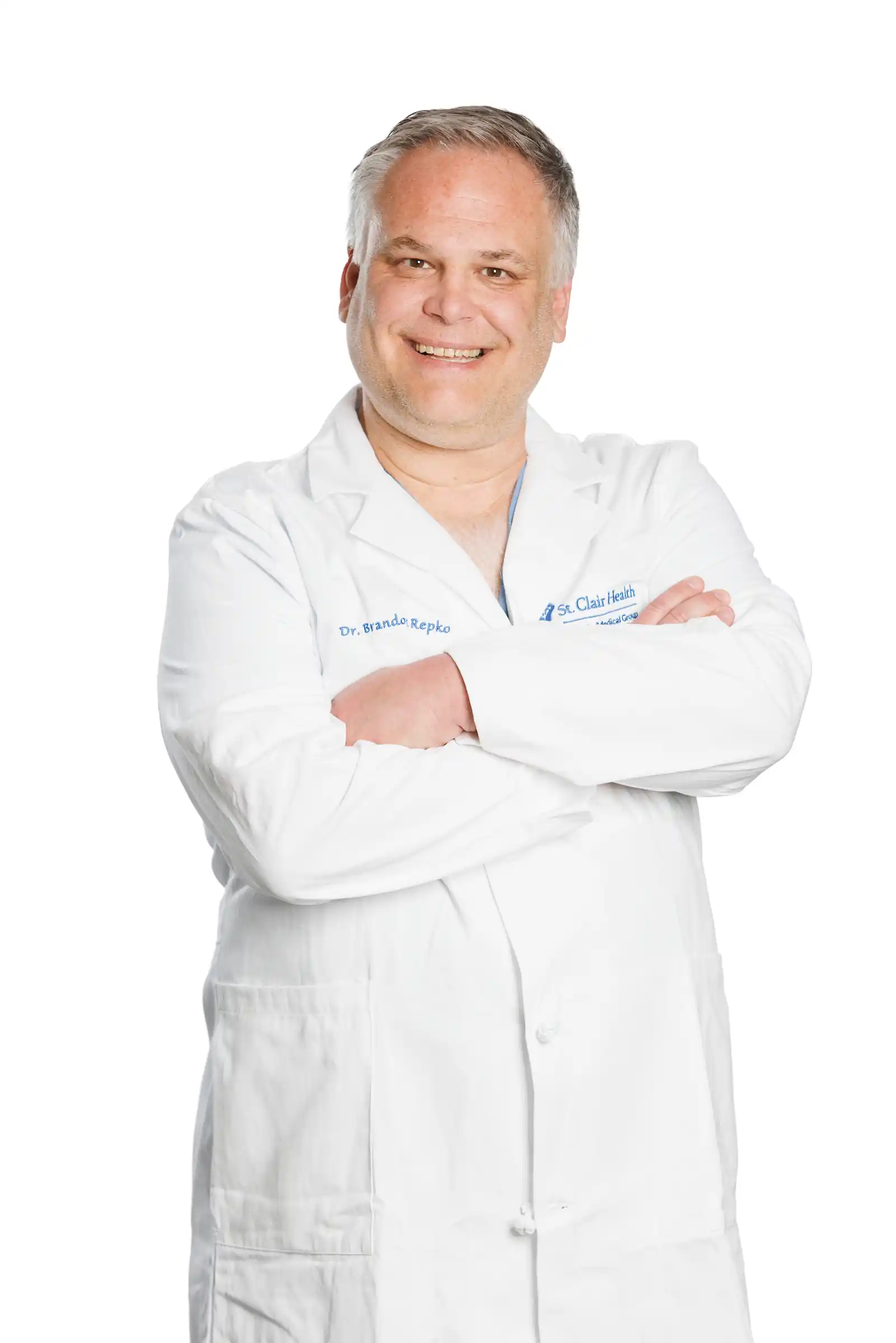
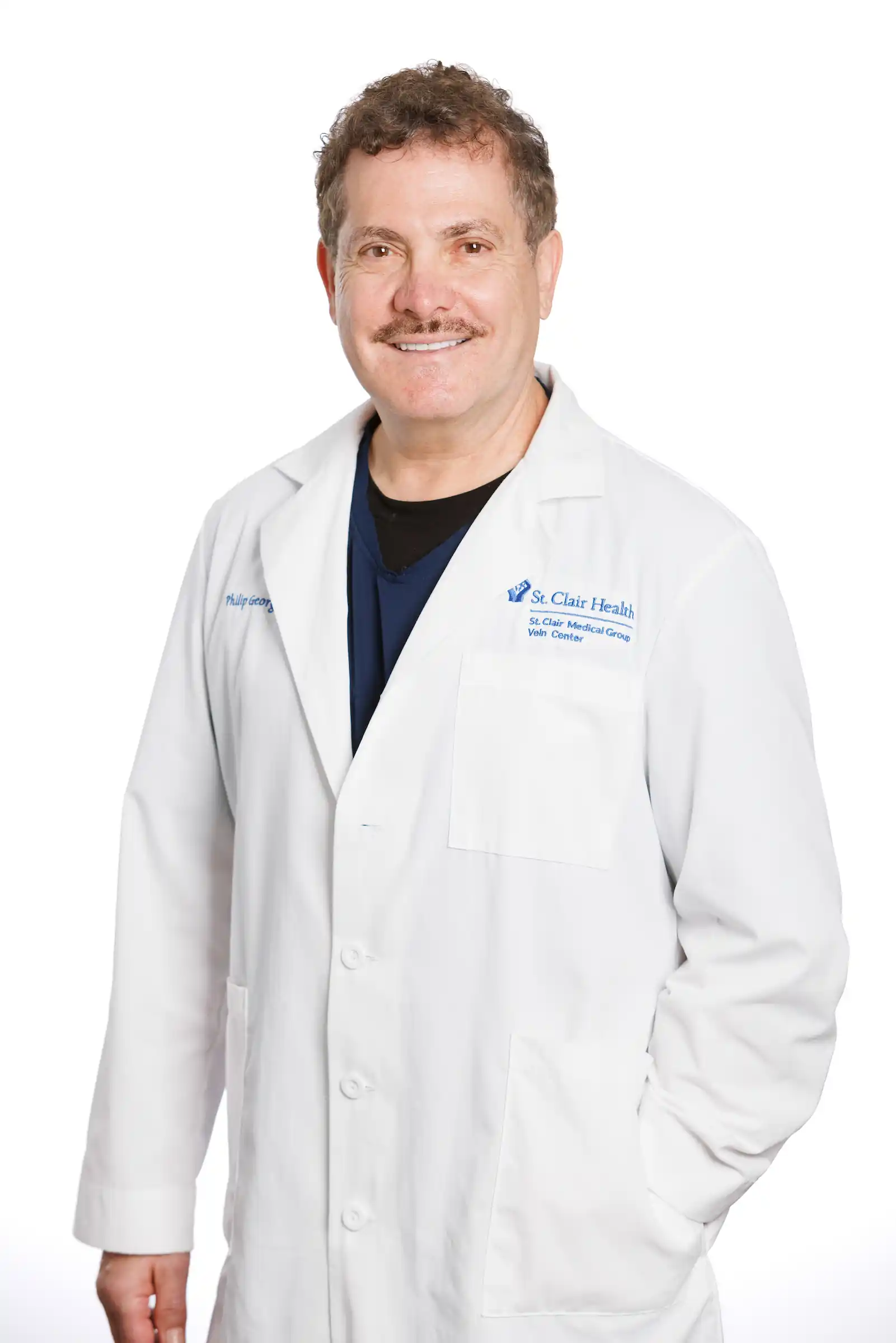
St. Clair Vein & Embolization Center (formerly Three Rivers Vein Center) offers Varithena at the Dunlap Family Outpatient Center in Pittsburgh. Brandon Repko, MD, a board-certified interventional radiologist, and Philip Georgevich, MD, a board-certified vascular surgeon, both perform the treatment. Your care starts with a thorough exam and, in most cases, an ultrasound of your leg veins.
Ready to find out if Varithena is right for you? Request an appointment online or call (412) 942-6317, and the office will help you schedule a consultation.
How Varithena Foam Treatment Works
Varithena is a prescription foam that closes a diseased vein from the inside. It acts on the vein wall, so the vein collapses and your body reroutes blood through healthier veins.
Varithena is approved to treat leaking great saphenous veins, accessory saphenous veins and visible varicose veins connected to them, above and below the knee. In plain terms, that means the main vein system running up your leg and the bulging veins that branch from it. Many people come in with aching, heaviness or swelling, or because they dislike how their veins look. A physician confirms the cause with a diagnostic venous ultrasound.
Your visit follows a few clear steps.
Varithena needs no incisions or stitches, and treatment is usually less than an hour. Most people need only one treatment, though some veins need more, and your physician will tell you what to expect.
Most patients return home the same day, and most return to normal activities that day. The maker’s patient guide says to keep bandages dry and in place for 48 hours. Then you wear compression stockings day and night for the first 14 days. Mayo Clinic’s drug information recommends walking 10 to 20 minutes right after treatment and daily for the next few days. It also advises skipping heavy exercise, long flights, hot baths and saunas for a week. Avoid long stretches of sitting, including long car rides, for a month. Your physician’s instructions come first.
Yes. The FDA approved Varithena in 2013 to treat leaking great saphenous veins, accessory saphenous veins and visible varicose veins of the great saphenous vein system, above and below the knee. You can read the full details in the FDA prescribing information for Varithena (opens in a new tab)(opens in a new tab).
The most common side effects are pain or discomfort in the leg, a small pocket of clotted blood in the treated vein, bruising or pain where the injection went in, and inflamed veins near the skin. Varithena can also cause blood clots in the veins, including deep vein thrombosis, which is a clot in a deep vein. Your physician reviews these risks with you before treatment.
Varithena closes veins with a foam medicine. Radiofrequency ablation uses heat, and VenaSeal uses a medical adhesive. The 2022 guidelines endorse both heat-based and non-heat-based options, depending on your physician’s expertise and your preference. Your physician uses ultrasound to match the treatment to your veins. Learn more about radiofrequency vein ablation, VenaSeal and ultrasound-guided sclerotherapy.
Coverage depends on your plan, so the best first step is to check with your insurance provider. St. Clair Health lists the plans it works with on its participating insurance plans page (opens in a new tab)(opens in a new tab) and asks patients to call their insurance provider to confirm acceptance. For help planning costs, see St. Clair Health’s Patient Estimates page (opens in a new tab)(opens in a new tab).
We make it easy to schedule. Request an appointment online (opens in a new tab)(opens in a new tab) and the office will call you back, or call (412) 942-6317 to book your Varithena consultation. We look forward to seeing you!
St. Clair Vein & Embolization Center: Pittsburgh’s Vein Specialists